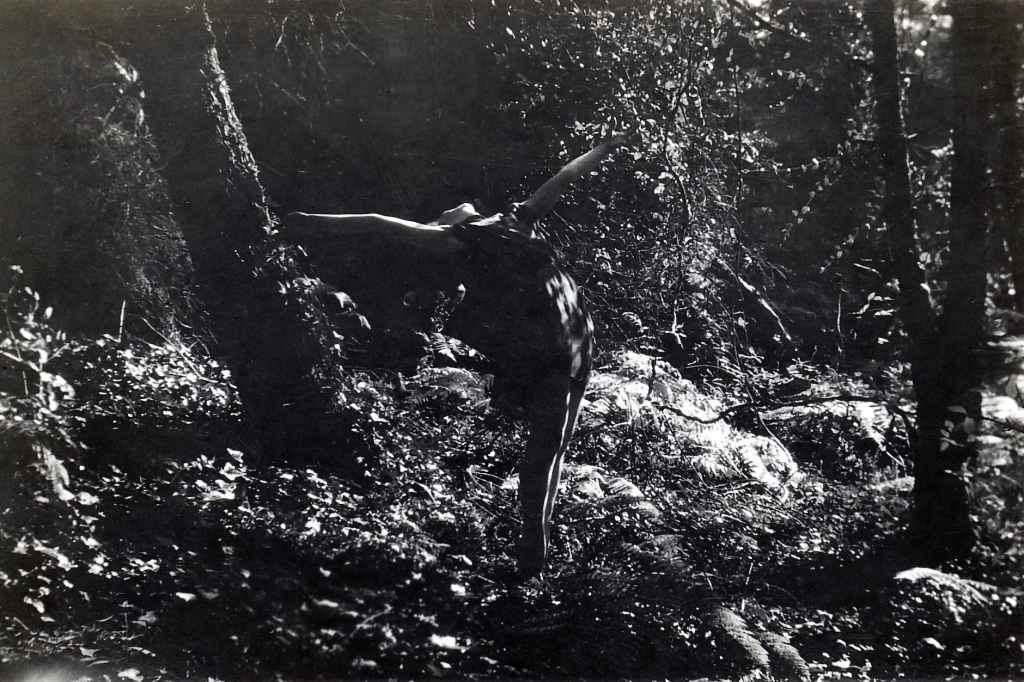
You know those story ideas that just came to you one day out of seemingly nowhere – the one you know is brilliant, but you can’t for the life of you remember how you came up with it? Well, I blame (or thank) The Muse for those.
The Muse – that otherworldly, ethereal bestower of creative ideas.
Some days, she, he, it, or they (however you want to think of The Muse) comes down in a glorious sparkling bubble to bestow absolute genius upon you, the creator. Most days, however, The Muse shuffles into the room with messy hair, wearing baggy clothes, and nursing their sixth glass of wine. OR The Muse doesn’t show up at all.
It can be frustrating waiting for The Muse to show up to work so that you can get to work on your writing. The Muse can be fickle and difficult to work with. So, knowing this, how do we as writers work with The Muse so we can be productive and create our art?
Accept the fickle nature of The Muse.
The first step to most self-help guides is acceptance. Well, that applies here too.
The Muse is fickle. It is what it is. Once you accept this as the truth, it makes my other points slightly easier.
Don’t try to force The Muse to work for you. It’s really the other way around.
You may think that as the writer, you are the boss and The Muse works for you.
This is wrong. You work for The Muse.
This means that on those days when you sit down to write and The Muse shows up four hours late (drunk as hell) or not at all, you either have to grit your teeth and deal with it or quit. And quitting (in my opinion) is not the right choice here.
On the days that The Muse makes a surprise visit when you are occupied by other things, don’t ignore The Muse.
More often than not, it seems like The Muse chooses to show up with a stellar idea at moments when a writer is doing something other than writing.
So, when The Muse suddenly pops in while you are driving, working at your ‘real job’, or hanging out with your friends, don’t ignore the idea. Jot it down quickly so you won’t forget or start writing if you can.
By acknowledging The Muse as much as you can, you invite him, her, it, or them to return in the future with more great ideas.
Be patient!
The Muse you work for is often the same Muse that another writer works for.
In her book Big Magic, Elizabeth Gilbert tells a story about how she had an idea for a story, didn’t write it, and then someone else wrote a story with a nearly identical premise. Her point in this anecdote was to show how people are simply vessels for creativity and will find the most open and willing person to bring it to fruition.
While I agree, I also see this anecdote as an example of The Muse overseeing multiple creators simultaneously. The Muse assigned Gilbert a task first, and when it went uncompleted, The Muse passed it on to another employee (the other author who did write the story).
It’s important to keep in mind that because The Muse provides ideas to many writers, you have to patiently wait your turn. It’s hard – believe me, I know – but The Muse has not forgotten you!
Just because The Muse isn’t actively standing over your shoulder telling you what to write DOES NOT mean you shouldn’t write. You should write as much and as often as you can, with or without input from The Muse. This allows you to be productive all of the time, not just when the inspiration strikes. If you wait to write until The Muse provides you with inspiration on a silver platter, you will be waiting a very long time and you will get very little writing done.
So, keep writing all the time.
And when The Muse shows up on time and sober to work, be grateful and open to the ideas bestowed upon you.
Latest from the Blog

One Sentence Story #77
One Sentence Story #77
Strangers
A short creative piece.
Meme Monday
It’s Meme Monday, everyone!
 Savannah Watson
Leave a comment